SK hynix bets big on AI packaging

SK hynix is investing ₩19 trillion in a new advanced packaging facility, targeting a critical bottleneck in AI memory supply as demand for HBM surges.
SK hynix plans to invest approximately ₩19 trillion (about $12.85 billion) in a new advanced packaging facility in South Korea, targeting a key constraint in the rapidly expanding AI hardware market.
The move, reported on April 22, reflects growing pressure on back-end semiconductor processes as demand for High Bandwidth Memory (HBM) continues to accelerate.
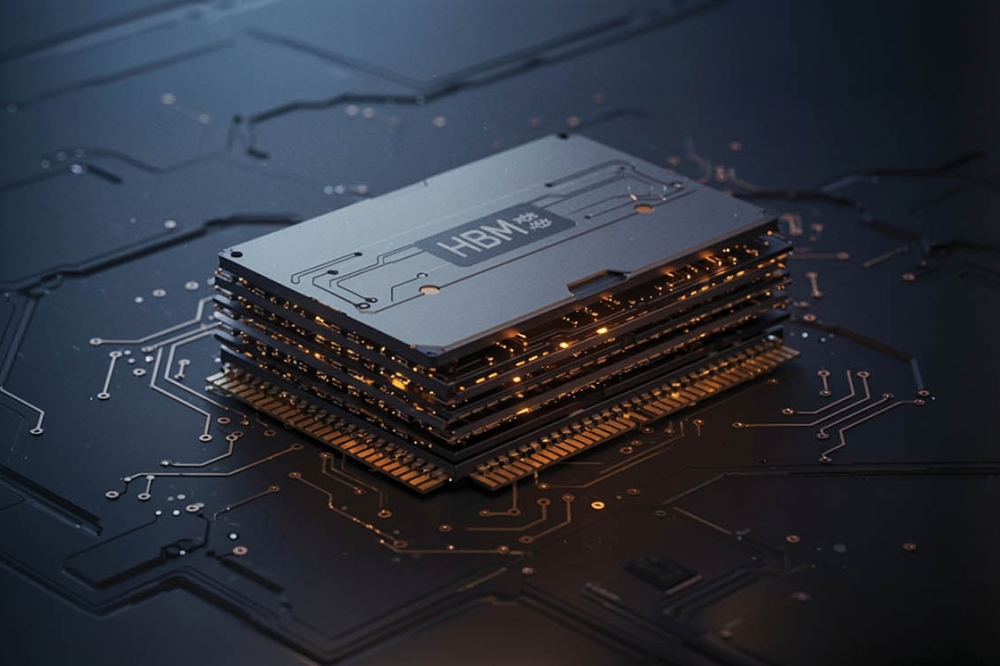
Unlike conventional DRAM, HBM involves stacking multiple memory dies vertically and connecting them through extremely short interconnects.
These stacks are then integrated alongside GPUs and AI accelerators in complex packages that require advanced bonding, interposers, thermal control, and extensive testing.
As a result, packaging has become a critical stage in determining how many AI systems can ultimately be delivered.
By focusing this investment on advanced packaging rather than front-end wafer production, SK hynix is addressing a bottleneck that has gained increasing attention across the industry.
Even with sufficient wafer output, limited packaging capacity can restrict final supply, as incomplete components cannot be shipped as usable products.
The company has established itself as a leading supplier of HBM, providing memory for AI systems from companies such as Nvidia.
At the same time, competitors including Samsung Electronics and Micron Technology are ramping up their own efforts in both memory and packaging to capture a share of the fast-growing AI segment.
The new facility is part of a broader expansion strategy that includes accelerating memory production capacity.
Together, these efforts are aimed at increasing the output of AI-focused products before competitors close the gap.
The investment also signals to customers that SK hynix is prioritising not just technological leadership, but also the ability to deliver at scale.
The announcement highlights ongoing pressures across the semiconductor supply chain.
Advanced packaging depends on a network of suppliers providing substrates, equipment, and testing services, all of which must scale in parallel.
At the same time, manufacturers are allocating more resources to higher-margin AI products, which could influence availability and pricing trends in traditional memory markets over time.
Despite its scale, the investment is unlikely to translate into immediate supply relief.
Construction, process ramp-up, and yield optimisation will take time, and overall impact will depend on how quickly the broader ecosystem can expand alongside SK hynix’s own capacity.
The move underscores a broader shift in the semiconductor industry, where advanced packaging is no longer a secondary step but a central factor in enabling next-generation computing.
As AI demand continues to grow, the ability to assemble complex, high-performance systems at scale is becoming as important as the chips themselves.