Tyndall’s roadmap for advanced packaging

From photonics-electronics convergence to ecosystem-led scale-up, Tyndall is helping turn advanced packaging research into an industrial reality.
As advanced packaging becomes central to semiconductor innovation, the challenge is no longer just developing new technologies—but scaling them. This requires standardisation, ecosystem coordination, and closer alignment between research and industry.
In this conversation, Sarab Chopra speaks with Peter O’Brien about how Tyndall National Institute is bridging the gap between innovation and manufacturing, and shaping the future of photonics packaging.
SC: Peter, can you introduce Tyndall for those unfamiliar?
PO: Tyndall is a semiconductor research centre based in Cork, Ireland, focused on wafer fabrication, design, and advanced packaging. My area is packaging, where we take semiconductor chips and integrate them into real-world applications.
We also have strong capabilities in reliability testing and failure analysis, alongside application-focused teams working across telecommunications and biomedical systems.
A key differentiator is our close integration with the industry. Companies like Ficontec and Celoprint have engineers on site, alongside major players such as Intel and Meta. That proximity creates a highly collaborative environment where research and industry operate together.
SC: What are Tyndall’s current priorities in advanced packaging?
PO: A major priority is standardisation, particularly in photonics packaging. Historically, photonics has been highly bespoke, which works in early-stage innovation but becomes a barrier at scale.
We are pushing toward standardised design, fabrication, and packaging approaches. One example is assembly design kits, or ADKs—the packaging equivalent of process design kits in semiconductor foundries. These provide validated building blocks that enable faster development and scalability.
Another priority is the convergence of photonics and microelectronics. Photonics cannot scale independently; it must align with the semiconductor ecosystem to benefit from infrastructure, workforce, and manufacturing scale.
SC: You mentioned scaling. How do you move from research to manufacturing?
PO: Scaling is about bridging research and industrialisation, and pilot lines play a central role.
But the model has evolved. It’s no longer just about producing small volumes before handing off to industry. Today, pilot lines are about building ecosystems—bringing together material suppliers, equipment providers, and manufacturing partners.
The goal is not to do everything internally, but to enable the industry to take over production at scale. If the ecosystem is set up correctly and the industry delivers volume, that is success.
SC: How does Tyndall collaborate with industry, and what are the key engagement models?
PO: Collaboration starts globally. This is a worldwide industry, so we engage across Europe, Asia, and the US.
Many companies come to us for guidance rather than execution. They may have product ideas but lack packaging expertise, so we advise on design routes, standards, and supply chain partners.
Training is also critical. Companies send engineers to develop a hands-on understanding, ensuring they can make informed decisions whether they manufacture themselves or work with OSATs.
SC: What are the most transformative trends in advanced packaging?
PO: There are several.
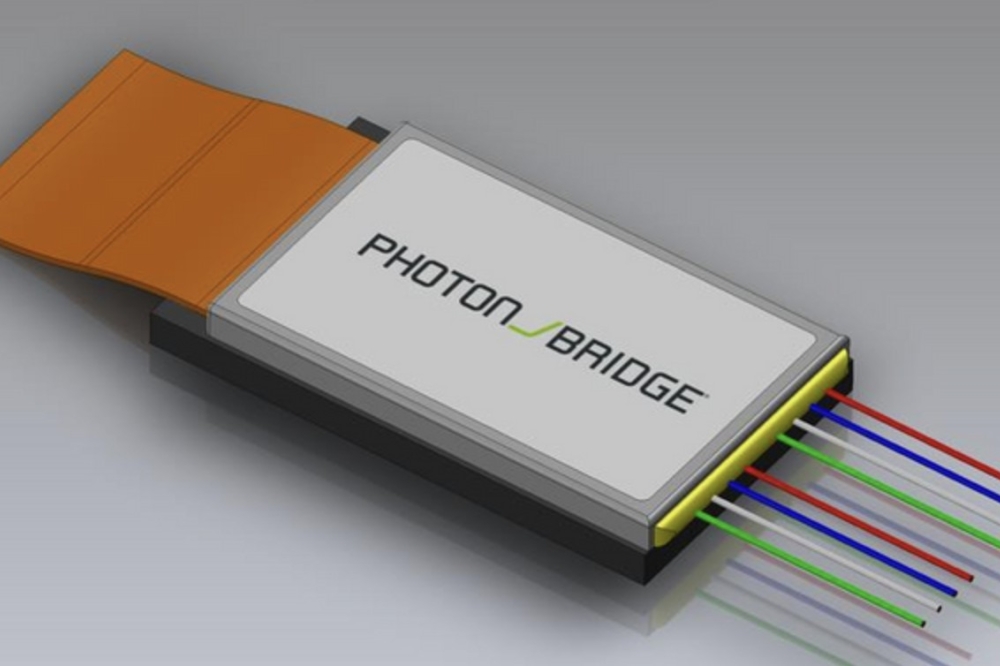
First, photonics and microelectronics convergence—critical for scaling technologies like co-packaged optics.
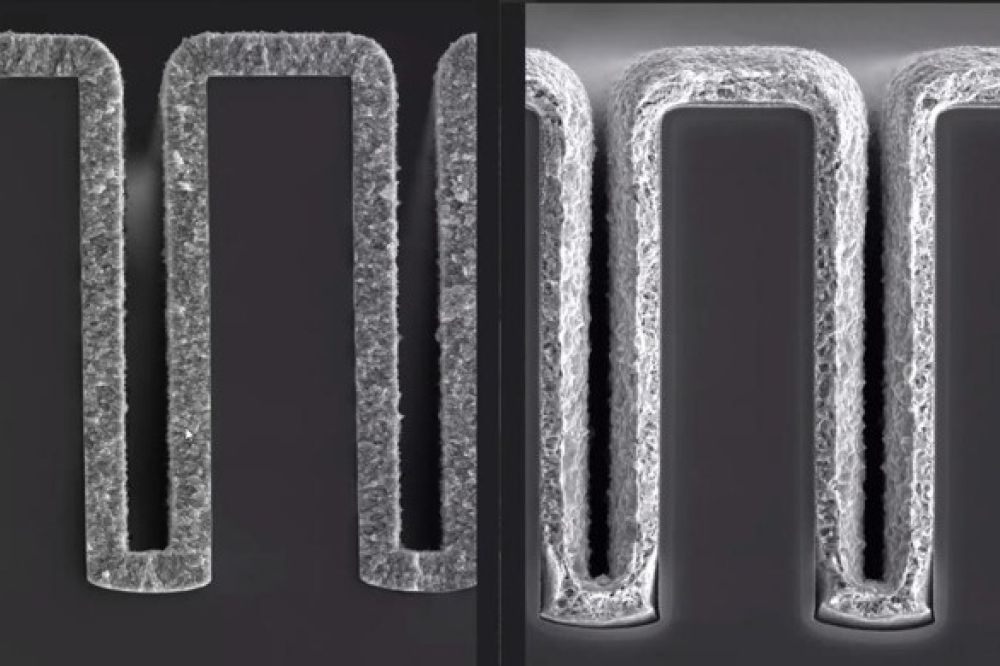
Second, chiplet architectures, where systems are disaggregated into smaller components and integrated at the package level. This increases the importance of interposers and interconnects.
Third, materials innovation, particularly in interposers. Beyond silicon, glass, and hybrid materials are emerging.
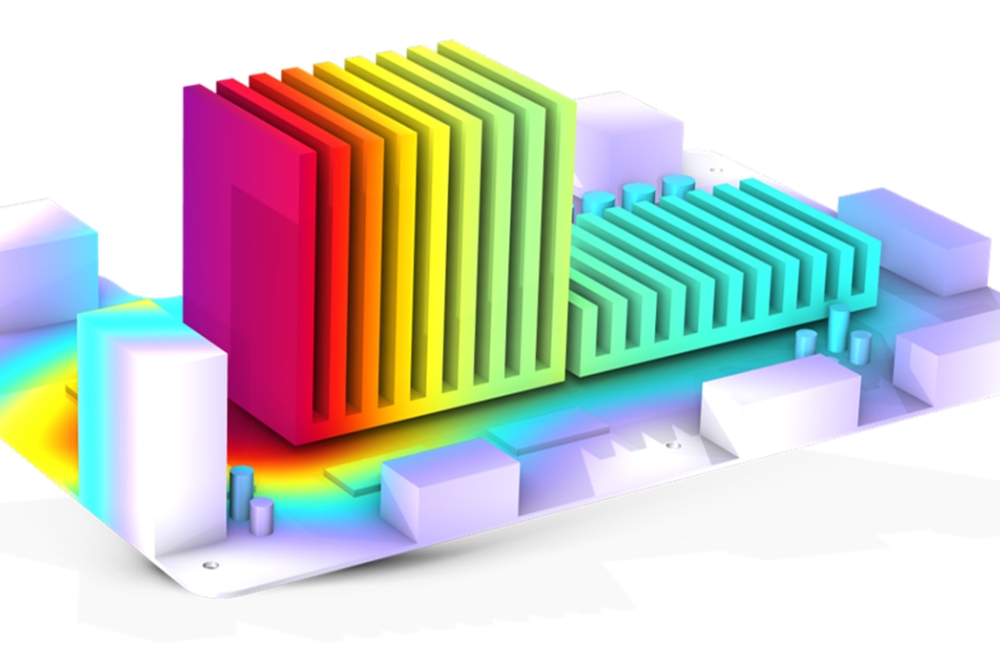
Finally, thermal management is becoming central. As density increases, heat impacts performance, reliability, and mechanical stability.
SC: How is Tyndall addressing energy efficiency and sustainability?
PO: We are focusing heavily on modelling and simulation, particularly through digital twins for advanced packages.
These models combine electrical, thermal, optical, and mechanical behaviour in one environment. Since these domains are interdependent, changes in one area affect the others.
With multiphysics modelling, supported by AI and machine learning, we can predict system behaviour before fabrication. That reduces risk and improves efficiency.
We are also developing cost models to help companies—especially SMEs—understand the economic impact of design decisions.
SC: What milestones or breakthroughs are you most excited about?
PO: One major area is surface-level optical interconnects. Traditionally, optical connections are edge-based, but we are developing 2D optical arrays on chip surfaces, enabling much higher bandwidth density—critical for AI systems.
Another is advanced interposers with increased interconnect density to support complex chiplet integration.
Glass interposers are particularly promising. They enable panel-level processing with larger substrates and higher volumes, leveraging existing display manufacturing infrastructure.
SC: Final thoughts?
PO: The direction is clear. Standardisation, ecosystem development, and integration across technologies will define the future of advanced packaging.
The real challenge is not just innovation—it’s creating the environment where that innovation can scale.