
AOR TCB paves the way to higher HBM4 stacks
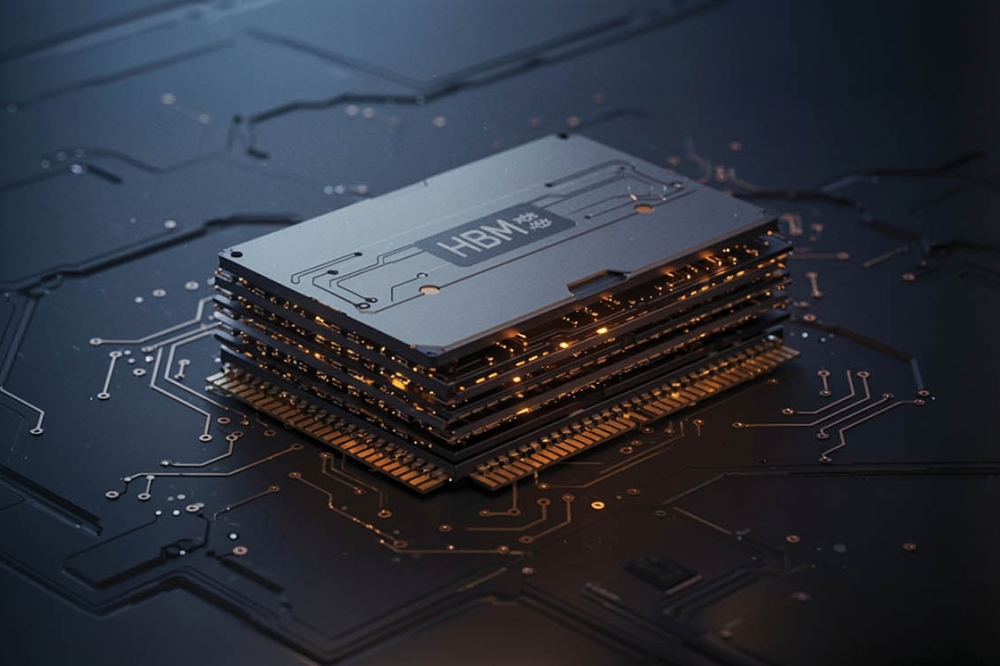
Current advanced packaging technology is reaching its limits in terms of the roadmap for high-bandwidth memory. Among ASMPT’s solutions to enable the next generation of HBM is thermocompression bonding with active oxide removal (AOR).
DR. AMI EITAN, SVP, CHIEF SCIENTIFIC OFFICER, ASMPT
In the past, advances in hardware found their application; today, in the age of AI, it is the applications that place specific demands on the further development of chips and their processing. This is particularly true for high-bandwidth memory (HBM). HBM is increasingly becoming a potential bottleneck in the advancement of AI devices, in terms of both capability and capacity to meet the global demand for AI products. Therefore, memory suppliers will continue to push HBM performance and look for high-quality processes
to enable the manufacture of HBM stacks. The number of memory dies to be stacked continues to increase, as do the potential die sizes. In April 2025, JEDEC officially released the HBM4 specification. It supports data rates of up to 8 Gb/s per pin across a 2048-bit interface, delivering aggregate bandwidth of up to 2 TB/s and supporting 4-Hi to 16-Hi DRAM stack configurations with per-die densities of 24 Gb or 32 Gb, enabling total stack capacities of up to 64 GB. The roadmap is in place, and various bonding technologies are being used in high-volume manufacturing. Currently, Mass Reflow-Moulded Underfill (MR-MUF) and Thermocompression with Non-Conductive Film (TC-NCF) are used in the high-volume manufacturing of HBM. However, when it comes to stack height, current advanced packaging technologies are reaching their limits.
Where the challenges lie
The key challenges in stacking more and more layers of dies are:
- Die warpage during the bonding process
- Chip gap height control
- High thermal and electrical conductivity
- A residue-free underfill process
All these aspects must be considered to ensure quality and reliability. In addition, advancing HBM performance requires continued pitch scaling of the interconnects between dies as the industry moves from HBM3E to HBM4 and beyond to HBM5. The two leading methods can be evaluated against these challenges as follows. Mass Reflow-Moulded Underfill (MR-MUF): Mass reflow melts all bumps at once, followed by moulded underfill encapsulating and filling gaps in a single, integrated step. The primary advantage is the superior thermal dissipation due to the high thermal conductivity of moulded underfill, which is ideal for high-power and tall HBM stacks. MR-MUF is a highly efficient process combining bonding and underfill in one step. It prowvides strong structural support for tall 12–16-Hi stacks. However, it is difficult to control the warpage, and the chip gap height and uniformity when heating the full stack.
In contrast, Thermocompression with Non-Conductive Film (TC-NCF) simultaneously forms joints and fills gaps die by die. The key advantage of this technology with a pre-laminated non-conductive film is its ability to handle ultra-fine pitches of less than 20 µm. Its high alignment accuracy makes it ideal for increasingly dense I/O designs, such as fine-pitch HBM stacking and advanced 2.5D/3D packaging, where tight keep-out zones and precise alignment are critical. It enables good warpage control with thin dies, and a separate capillary underfill step is not required because the NCF fills the gap during bonding. Another advantage of TC-NCF is that it enables better control of the chip gap height. The disadvantages are lower throughput and higher cost, as well as lower thermal conductivity due to the polymer NCF.
With the transition to next-generation HBM, tighter chip gap height control and improved uniformity have become essential for precise stack height management. The HBM roadmap should therefore move towards hybrid bonding to improve thermal and electrical conductance and achieve very tight chip gap heights. This is in addition to pitch scaling, which requires high bonding accuracy while limiting solder volume. This is important because, as we move from HBM3E to HBM4 and then HBM5, pitch scaling for the joints between the dies is being driven in order to advance HBM performance. ASMPT proposes a new approach to enable the next generation of HBM: thermocompression bonding with active oxide removal. The thermocompression bonding solution, FIREBIRD TCB, is a highly capable platform offering high force capability, high accuracy and high-throughput processes. It provides all the necessary functions for the HBM device bonding process, for the short term and long-term roadmap of memory suppliers.
Residue-free fluxless bonding
AOR TCB™ is a new fluxless first-level interconnect (FLI) process with active oxide removal (AOR). Using a plasma-based approach, the AOR technology empowers 3D chiplet integration and the HBM devices with fine bump pitch roadmaps as well as new package architectures. By eliminating flux residue and the costly cleaning solutions typically associated with traditional methods, AOR will mark a new era in FLI bonding processes, enabling high-volume manufacturing and driving advancements in advanced packaging technology. Deploying the AOR approach aims to improve package interconnect yield at both finer pitch levels and overall larger package sizes. As stack heights increase, even tiny variations in chip gap, residue, or warpage can cascade into significant yield loss. For memory manufacturers operating on a large scale, yield is not just a technical metric; it directly affects profitability and time to market. HBM4 requires consistent bonding quality across every layer of the stack. AOR TCB™ reduces rework and scrap, thereby reducing cost per bit. Fluxless, residue-free bonding significantly reduces failures caused by voids or contamination, providing a measurable cost advantage, while better uniformity enables faster time-to-yield for new HBM nodes. The controlled chip gap and oxide-free bonding of AOR TCB™ shorten the optimisation phase when fabs transition from HBM3E to HBM4, enabling high-volume manufacturing (HVM) to stabilise more quickly.

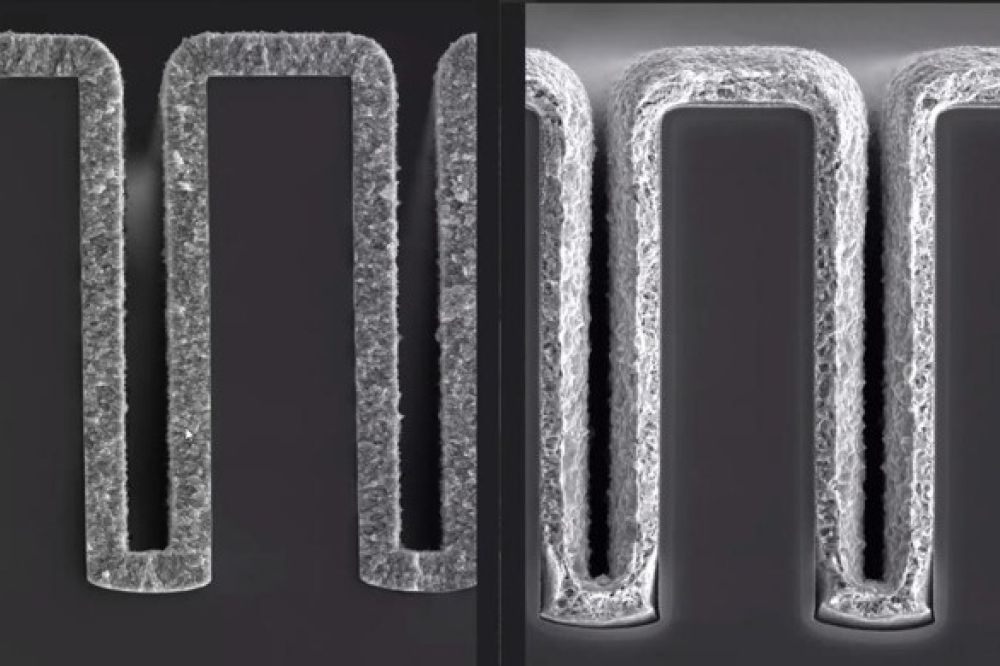
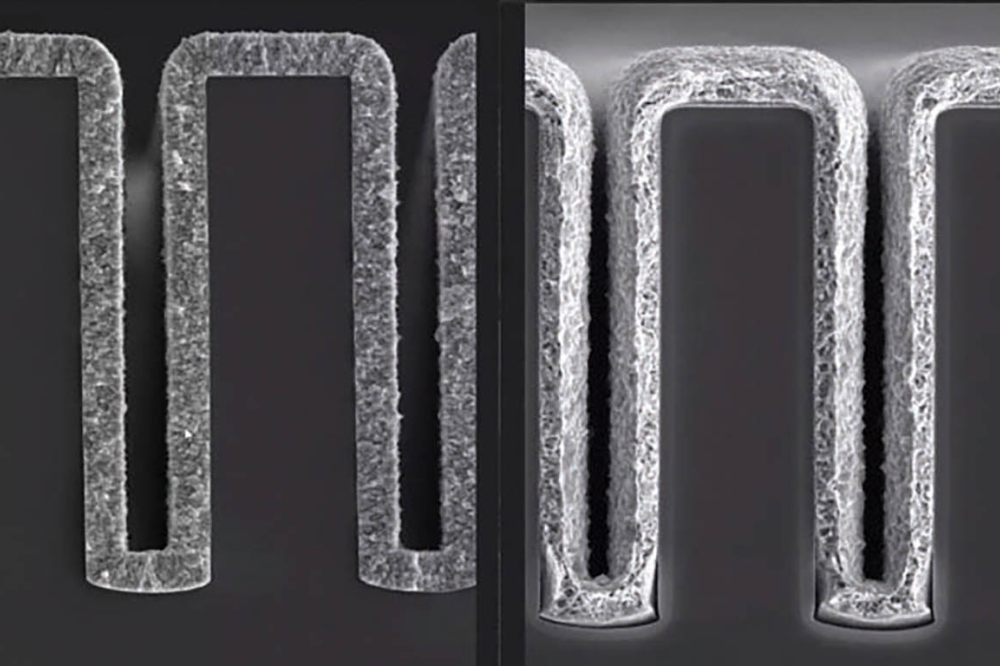
Figure 1: Formic acid oxide removal process results in the formation of microcrystals that can be deposited on the die, wafer, or substrates being bonded, potentially leading to reliability issues. SOURCE: ASMPT
In-situ cleaning
The fluxless HBM die stack TCB faces a significant challenge with formic-acid-based oxide removal, where salt crystal residues may persist and negatively impact the moulded underfill (MUF) process, by leaving voids and foreign material (FM). These residues and FM can impede underfill adhesion and cause reliability failures. An additional post-bond cleaning step is therefore essential to remove these residues before the MUF process. In contrast, AOR’s plasma cleaning process produces only water vapour, creating a highly oxide-free surface on the bump and pad for joint formation. As the plasma-based approach generates no residues, no downstream cleaning operations are required to remove salts and other FM generated by the acid-based oxide removal process. A residue-free process is essential for meeting quality and reliability standards without increasing production costs. This exemplifies the distinct advantage that AOR plasma cleaning offers to the industry.

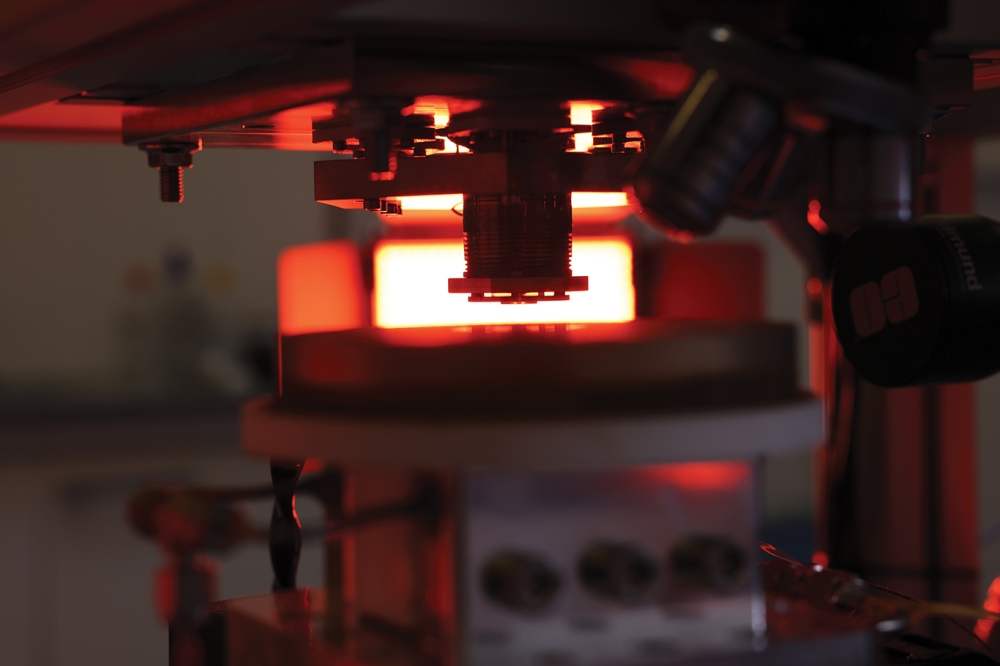
Figure 2: Depicting the integration of the AOR process into the TCB bonder, this plasma-based approach generates no residues, ensuring all surfaces are clean for bonding and downstream processing. SOURCE: ASMPT
It is expected that the appropriate TCB bonder design equipped with a robust oxide removal process (AOR) will enable a clean and reliable HVM interconnection process for chiplet integration at bump pitches below 10 µm, with roadmap scaling toward 5 µm. Through a partnership with a major HBM supplier, a successful demonstration of a 16-Hi AOR TCB™ bonded sample with a maximum stack-up height of 775 µm has been achieved. This demonstrates how HBM4 technology can extend the current roadmap further with advanced AOR TCB™ bonding equipment. For this application, placement accuracy will be improved from traditional values of <2 μm to <0.8 μm. Furthermore, MUF process chip gap height control will be enhanced to address lower solder volumes on micro-bump architectures using next-generation equipment. The introduction of new bond head heaters will also showcase faster heating and cooling capabilities, further improving the quality and speed of fluxless bonding.
Enabling the progress of HBM
The future of HBM stacking technologies may depend on larger and thinner dies, lower electrical and thermal resistance, and tighter pitch. ASMPT offers solutions for a wide range of advanced packaging tasks and knows that its solutions empower the intelligence revolution. Two machines represent the pinnacle of HBM assembly technology: The FIREBIRD Series thermocompression bonding solution, which is the first to feature the innovative AOR TCB™ technology that ensures clean, residue-free surfaces for reliable interconnect formation, thereby improving package integrity and overall performance. The second is the LITHOBOLT™, a next-generation die-to-wafer hybrid bonding solution for 3D integration that delivers ultra-high precision control to ensure superior interconnect quality and high productivity. Hybrid bonding represents the most advanced integration approach currently available.
ASMPT conducts research and development in all technologies with the potential to enable the efficient and high-precision mass production of HBM and is also in constant dialogue with manufacturers. The AOR TCB™ approach is one of the most promising technologies in this field. Strong reliability performance has been demonstrated across various metallisation schemes, including solder-on-solder, solder-on-Ni/Au, and solder-on-Cu. ASMPT will further test the method for fine-pitch Cu-to-Cu bonding down to <5 μm. This initiative aims to bridge the gap between TCB and hybrid bonding, ensuring a smooth transition, with AOR serving as the key enabler over alternative fluxless technologies.
As challenges to HBM performance continue, further innovation and progression in HBM architecture and stacking will be required. In this context, advanced fluxless interconnect solutions such as AOR-enabled thermocompression bonding provide a scalable pathway to sustain yield, reliability and cost efficiency as stack heights increase and bump pitches move further into the sub-10 µm regime. Continued process optimisation and close collaboration across equipment suppliers, material providers and device manufacturers will be essential to translate these capabilities into stable high-volume manufacturing for next-generation AI and high-performance computing systems.