AI, optics and the next wave of Integration

Phil Alsop, Contributing Editor at Advanced Packaging Magazine, interviews Cameron McKnight-MacNeil, Technical Fellow at TechInsights ,on the key trends shaping advanced packaging, from co-packaged optics and HBM to thermal challenges, chiplets, and regional shifts.
As AI continues to reshape semiconductor demand, advanced packaging is moving to the centre of innovation. In its Advanced Packaging Outlook Report 2026, TechInsights highlights five major trends set to define the industry, including the rise of co-packaged optics, the growing importance of high bandwidth memory, and the scaling of panel and glass substrates.
PA: You’ve identified co-packaged optics as a key trend for 2026. Are we now at the point where this technology goes mainstream?
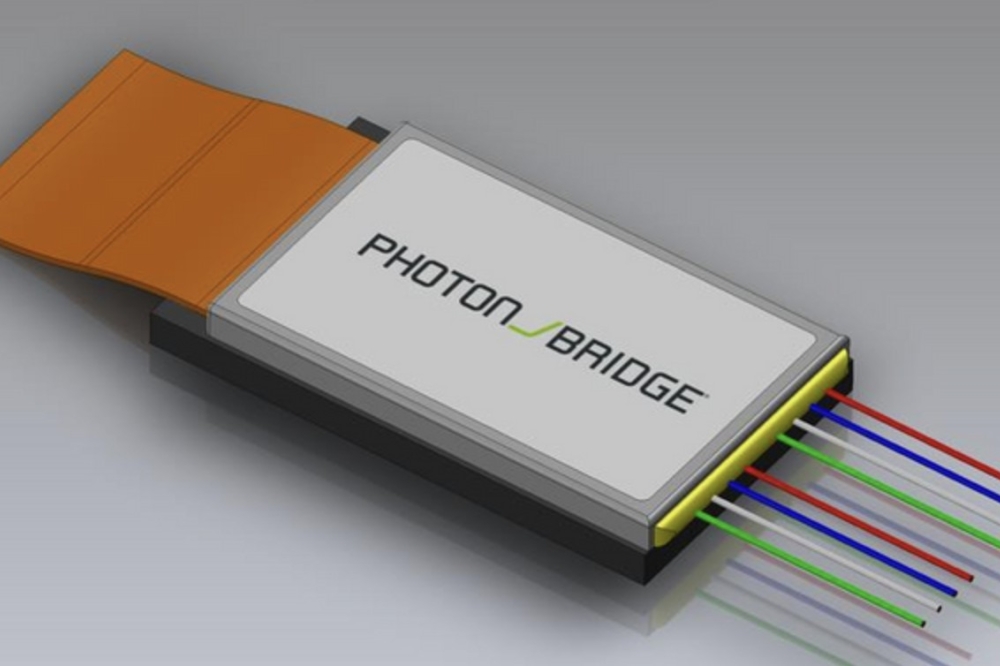
CM: Yes. Co-packaged optics has been developing for years, but AI infrastructure is now accelerating its adoption. The primary driver is power efficiency within the data centre.
By integrating optical engines directly into semiconductor packages, particularly within rack-scale systems, the industry can significantly reduce energy consumption. The inclusion of co-packaged optics in platforms such as NVIDIA Vera Rubin signals that this is no longer experimental—it is now entering real-world deployment.
PA: High bandwidth memory continues to dominate discussions. Why is it becoming even more critical?
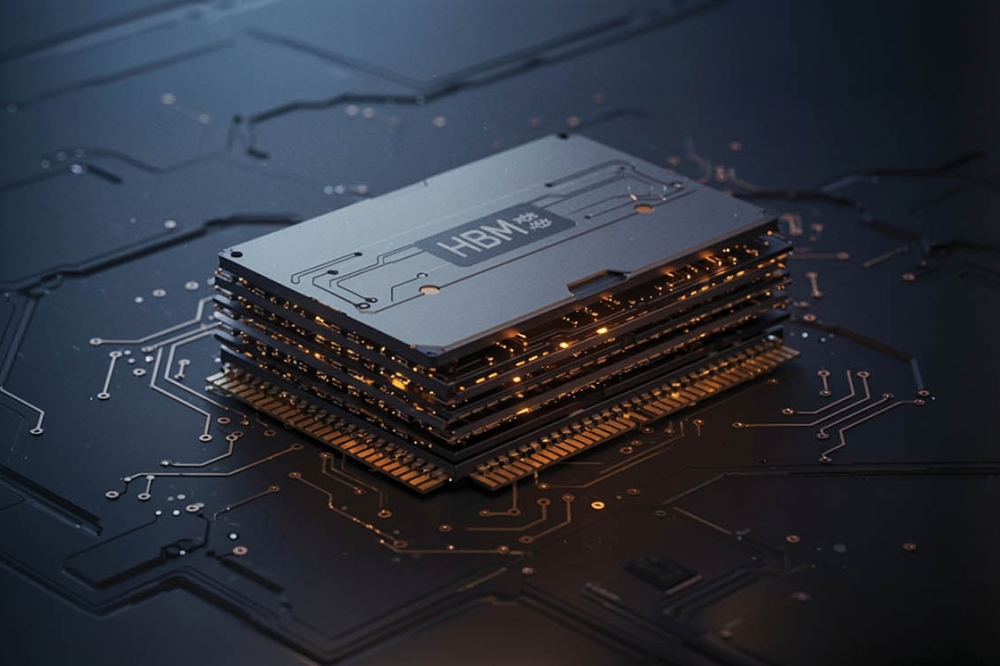
CM: HBM addresses the memory wall problem, where compute performance has outpaced memory bandwidth.
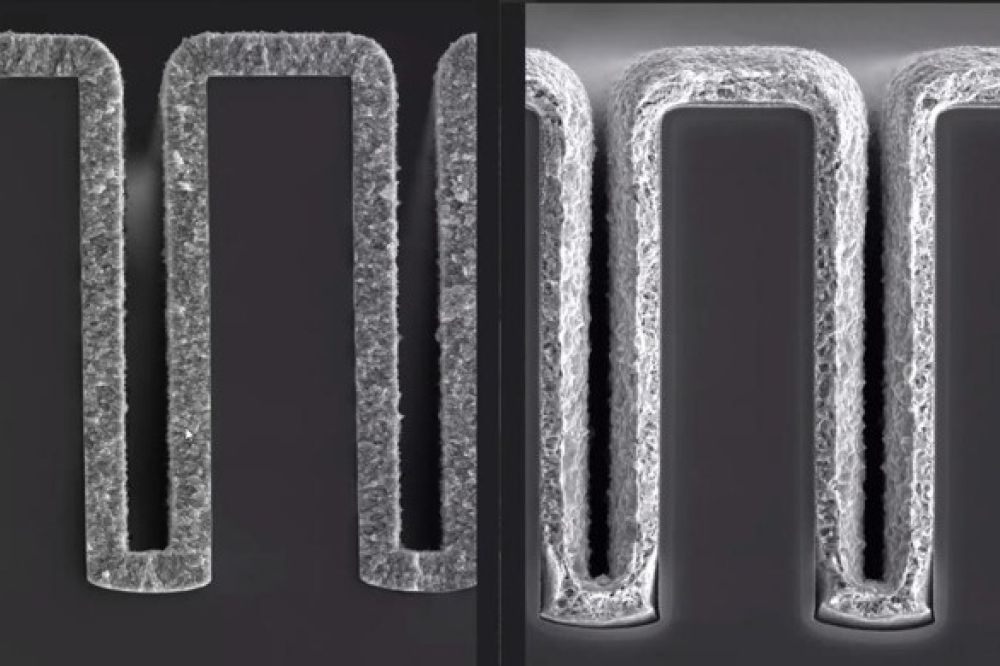
By stacking DRAM vertically and placing it close to the processor, HBM enables significantly higher data throughput. This is entirely dependent on advanced packaging technologies such as TSVs, microbumps, and 2.5D interposers.
With AI systems scaling rapidly, the volume of HBM being deployed is enormous, and this trend will continue into 2026, even as workloads shift more towards inference.
PA: You also highlight panel-level packaging and glass core substrates. What is driving these developments?
CM: Efficiency and scale. Panel-level packaging improves utilisation by moving away from round wafers to rectangular panels during the packaging stage, reducing material waste, especially as package sizes increase.
Glass core substrates, meanwhile, address mechanical and thermal challenges by offering better control over expansion and warpage. Both trends are being accelerated by AI, which demands larger and more complex packages.
PA: Thermal management remains a major challenge, particularly with 3D architectures. How significant is this issue?
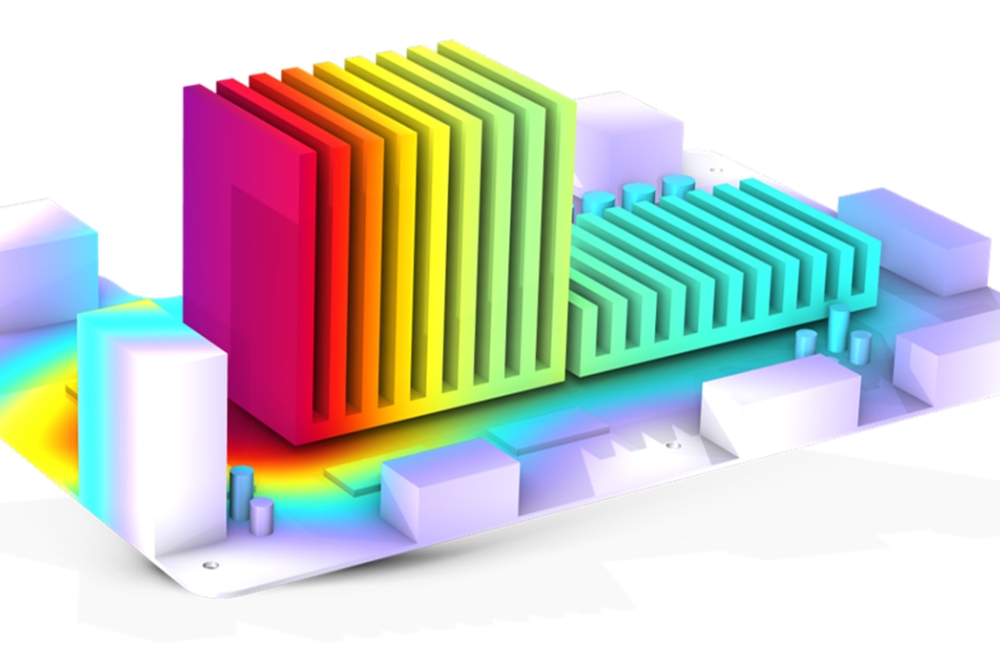
CM: It is fundamental. As soon as you stack dies, you disrupt the traditional thermal path.
High-performance applications, especially AI, intensify this challenge. The industry is responding with new materials such as silicon carbide and exploring more advanced approaches like microfluidic cooling, where liquid cooling is brought closer to—or even into—the package.
Thermal constraints will remain one of the defining challenges of 3D integration.
PA: Chiplets in smartphones are another trend you’ve identified. What is changing in the mobile space?
CM: The shift is towards disaggregated architectures.
Instead of monolithic SoCs, manufacturers are exploring chiplet-based designs to optimise performance, cost, and access to advanced nodes. This introduces new packaging requirements and opens the door for innovation in mobile, a segment that has historically been relatively stable from a packaging perspective.
PA: How does advanced packaging fit into the industry’s sustainability goals?
CM: Packaging is generally less carbon-intensive than wafer fabrication, but advanced packaging is more complex and therefore more resource-intensive than traditional methods.
Technologies like hybrid bonding and silicon interposers add additional manufacturing steps. However, disaggregated designs can improve overall yields and reduce waste. The overall impact is nuanced, with both benefits and trade-offs.
PA: Asia currently dominates advanced packaging. Do you see this changing?
CM: Asia remains dominant, but there is growing investment in North America.
Companies like Intel already have advanced packaging capabilities, and new facilities are being developed as part of broader onshoring efforts. While Asia will continue to lead, regional diversification is increasing, particularly due to supply chain and geopolitical considerations.
PA: With cost and yield challenges, is there a risk that enthusiasm for advanced packaging could slow?
CM: No. Advanced packaging is no longer optional, it is essential.
It is critical for overcoming current limitations in scaling, performance, and integration. While there are risks, the industry is developing new tools, standards, and supply chain models to mitigate them. Companies that adopt these technologies early will have a competitive advantage.
PA: Finally, is the future of advanced packaging tied too closely to AI?
CM: AI is the primary driver today, but advanced packaging has much broader relevance.
It applies across computing markets, including mobile and consumer electronics. Even if AI investment fluctuates, the underlying need for advanced packaging will remain. It is now a foundational technology for the next generation of semiconductor innovation.