Tesla eyes packaging entry

Elon Musk’s Terafab vision may sidestep advanced-node manufacturing challenges by targeting advanced packaging, potentially reshaping semiconductor supply chains without directly challenging TSMC’s technology lead.
Tesla’s proposed Terafab mega-fab is raising questions across the semiconductor industry, particularly around its potential impact on foundry leader TSMC.
While the vision aims to integrate logic, memory, and packaging, industry observers say competing at cutting-edge nodes such as 2nm would be highly challenging due to the complexity of yield control, process integration, and equipment requirements.
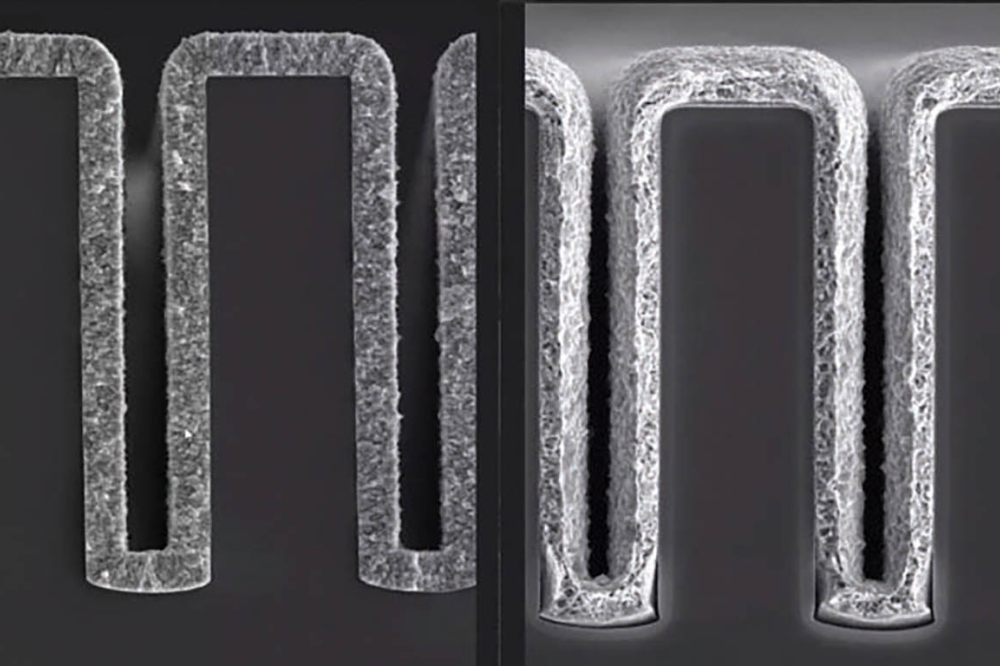
At advanced nodes, the transition from FinFET to GAAFET transistor architectures demands significant upgrades across materials, tools, and manufacturing processes.
Combined with reliance on scarce EUV lithography systems and deep engineering expertise, these barriers reinforce TSMC’s entrenched position in leading-edge fabrication.
Instead, attention is shifting to advanced packaging as Tesla’s most viable entry point into the semiconductor value chain.
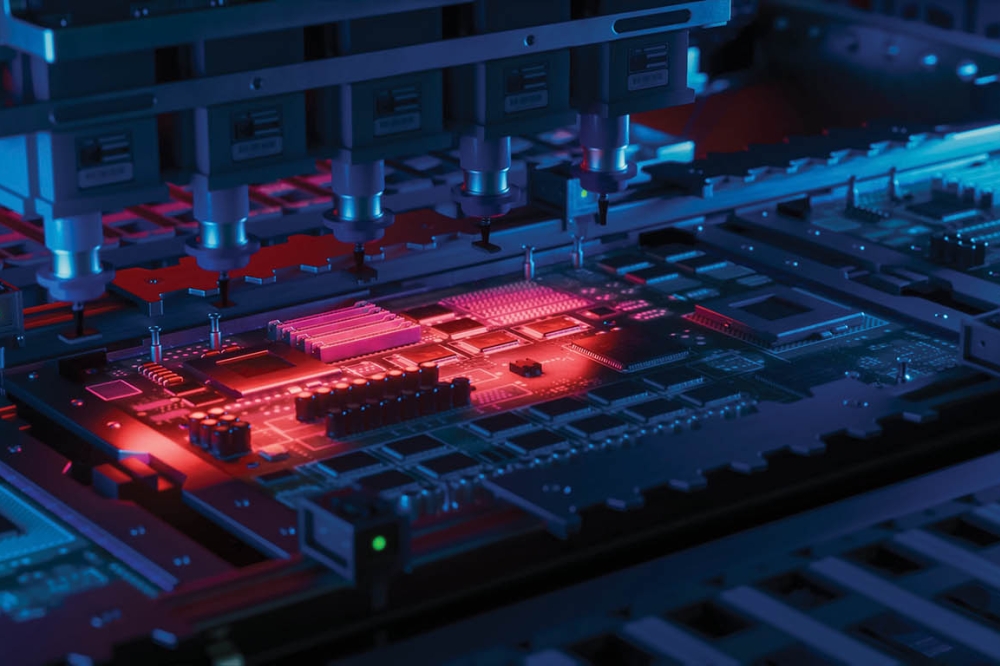
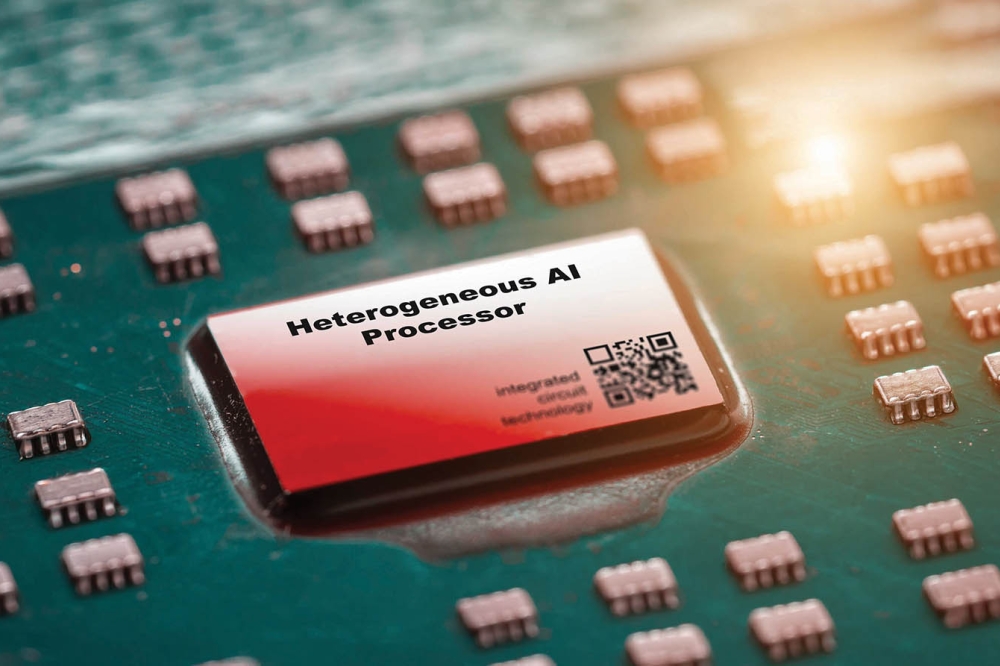
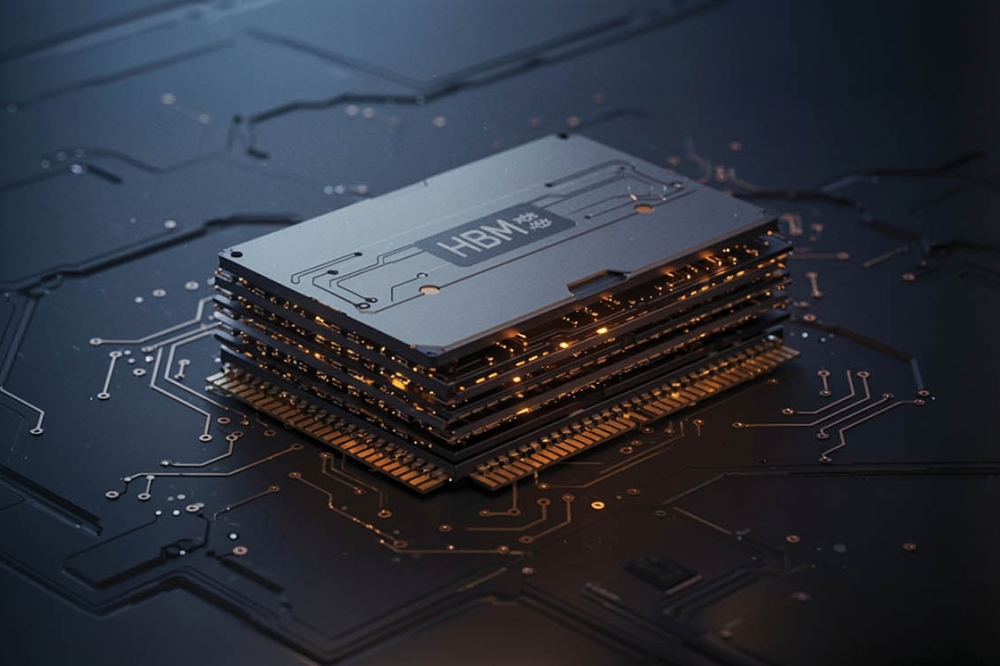
With AI chip production increasingly constrained by packaging capacity, Tesla could target back-end processes through in-house development, panel-level packaging, or partnerships with established players.
Such a move would allow the company to secure supply for its own AI and automotive chips while avoiding the steepest technical hurdles.
Terafab is expected to focus on chips for electric vehicles, humanoid robotics, and space-based AI systems, reflecting Tesla’s broader ambitions across mobility and computing.
However, Musk has indicated that Tesla and its affiliated companies will continue sourcing chips from existing suppliers, including TSMC, Samsung, and Micron, while encouraging capacity expansion.
In the near term, Terafab is unlikely to challenge TSMC’s leadership in advanced-node manufacturing. Over the longer term, however, even partial in-house capabilities could strengthen Tesla’s bargaining power within the semiconductor supply chain, signalling a shift toward greater vertical integration among major technology players.