Intel’s Malaysia advanced packaging site nears launch

Intel’s $7 billion advanced packaging facility in Malaysia is set to begin operations later this year, supporting EMIB and Foveros technologies and strengthening the company’s push into high-volume chiplet manufacturing for AI and HPC markets.
Intel is nearing completion of its major advanced packaging facility in Malaysia, with the site expected to begin full operations later this year. The complex, part of the company’s broader Project Pelican initiative, is now reportedly 99% complete, according to local media reports.
The development underscores Intel’s ongoing push to expand its advanced packaging capabilities as part of its foundry strategy. Malaysian Prime Minister Anwar Ibrahim confirmed that he recently met with Intel CEO Tan Lip-Bu and senior executives to review progress on the project.
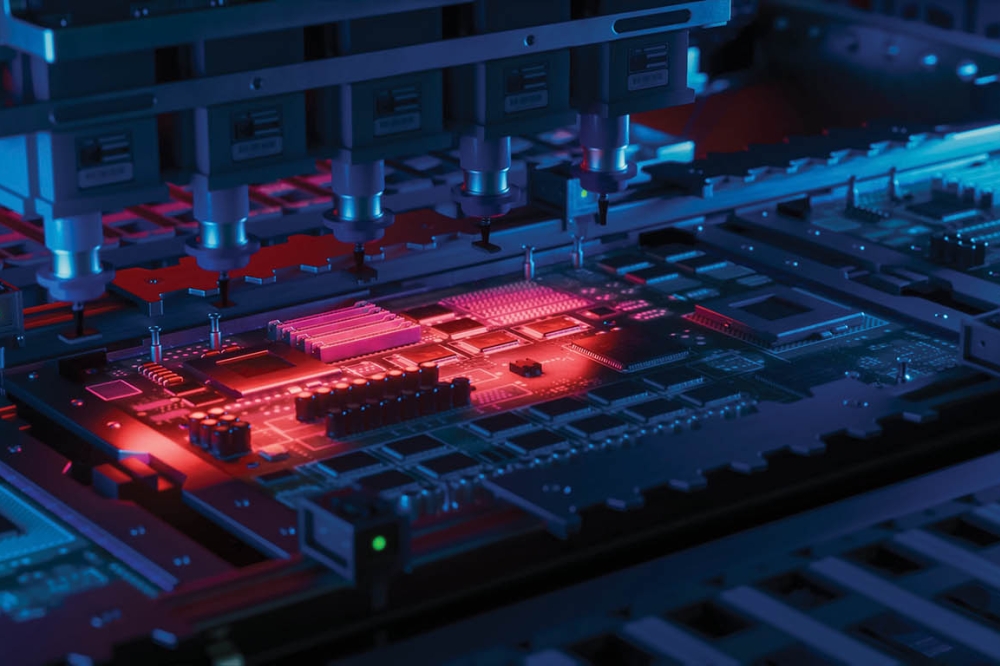
The first phase of the facility will focus on advanced assembly and test operations, supporting critical packaging processes such as die sorting, preparation, and full production flows.
The site is designed to handle Intel’s key packaging technologies, including Embedded Multi-die Interconnect Bridge (EMIB) and Foveros, both essential for enabling high-performance chiplet-based architectures.
Valued at approximately $7 billion, the project is expected to strengthen Malaysia’s position as a regional hub for semiconductor packaging. Intel has also committed an additional $200 million to complete the site.
Alongside the facility expansion, Intel continues to advance its EMIB technology. Unlike traditional silicon interposer-based approaches, EMIB integrates conductive bridges directly into the substrate, offering a more cost-effective and scalable solution for high-density designs.
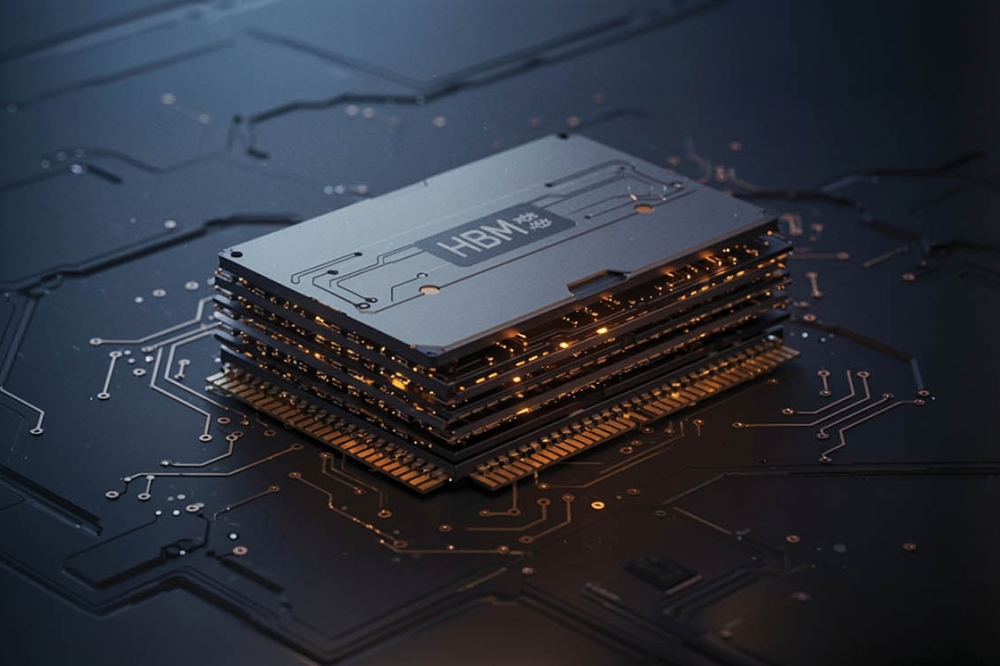
The company is targeting larger package sizes of up to 120 x 120 mm, an increase from current 100 x 100 mm configurations, enabling support for up to twelve high-bandwidth memory (HBM) stacks.
Looking ahead, Intel aims to further scale packaging capabilities to 120 x 180 mm by 2028, potentially accommodating up to twenty-four HBM stacks. The latest iteration, EMIB-T, incorporates through-silicon vias (TSVs) to support next-generation HBM4 memory, which is now entering mass production.
However, scaling advanced packaging to larger form factors presents technical challenges, including increased risks of warpage and yield loss during manufacturing.
The Malaysia facility is expected to play a critical role in addressing these challenges while supporting growing demand for advanced packaging solutions in AI and high-performance computing applications.