Foundry 2.0 fuels 17% growth

The rise of Foundry 2.0 is reshaping the semiconductor industry, as AI demand and advanced packaging drive integrated manufacturing growth.
The semiconductor industry is experiencing a structural transformation as the Foundry 2.0 era gains commercial traction, with global foundry revenues rising 17% year-on-year in Q3 2025 to approximately $84.8 billion, according to a report by Counterpoint Research.
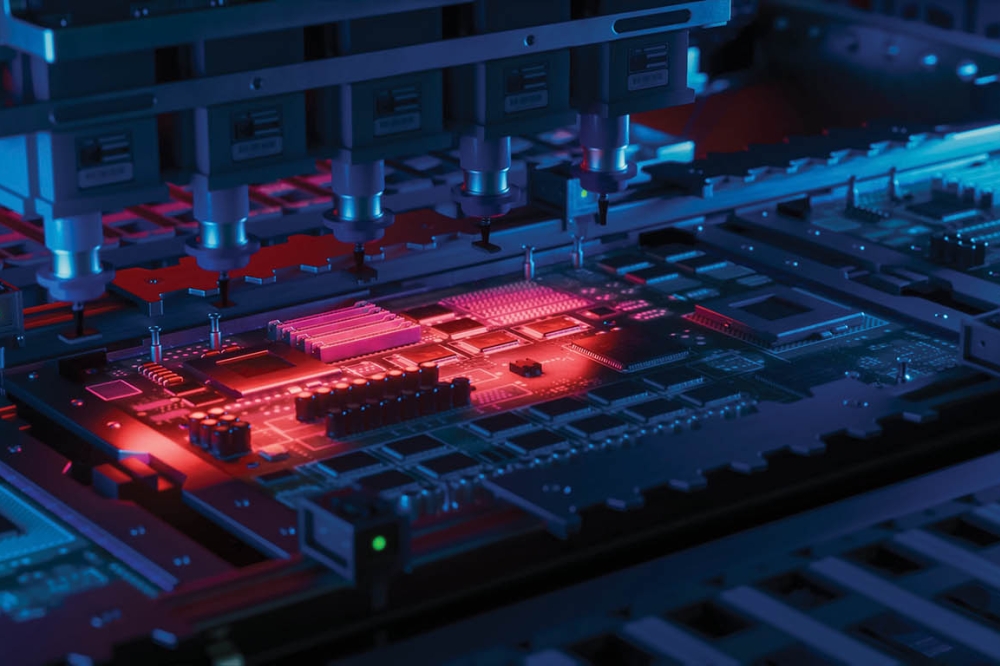
Unlike traditional wafer-only foundries, Foundry 2.0 encompasses pure-play fabs, non-memory IDMs, OSAT firms, and photomask suppliers, reflecting the increasing importance of integrating manufacturing, advanced packaging, and system-level design to meet the demands of AI and high-performance computing (HPC) workloads.
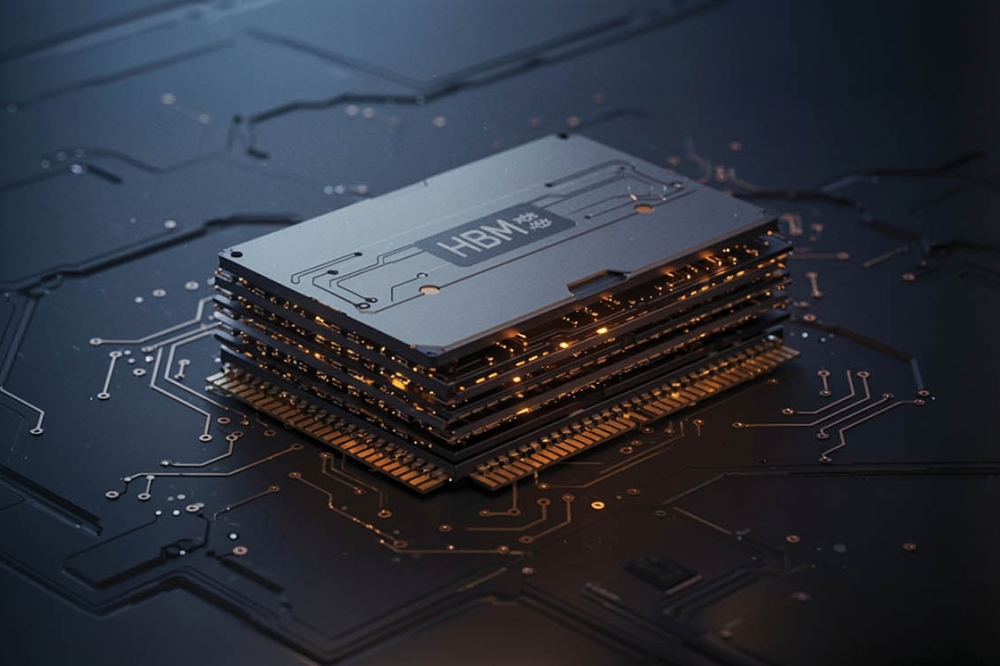
The growth is largely driven by sustained demand for AI accelerators, GPUs, and high-value compute silicon, supported by front-end wafer fabrication and back-end advanced packaging technologies such as chip-on-wafer-on-substrate (CoWoS).
China’s domestic vendors also contributed to the expansion, benefiting from local subsidies and policy support.
Leading the charge is Taiwan Semiconductor Manufacturing Company (TSMC), which posted Q3 revenue of around $33.1 billion, exceeding prior guidance, fueled by strong adoption of its 3nm processes and high utilisation of 4/5nm capacity.
Analysts note that as silicon complexity increases, advanced packaging capabilities are becoming strategic differentiators, enabling integrated solutions that improve performance and energy efficiency.
However, tight capacity at leading-edge nodes, geopolitical risks, and supply chain dependencies could temper growth in upcoming quarters.
Overall, the surge underscores how AI-driven workloads and sophisticated packaging are reshaping investment and production priorities across the semiconductor ecosystem, marking a clear shift toward a more integrated Foundry 2.0 model.