AI drives FC-BGA substrate expansion

Samsung Electro-Mechanics and LG Innotek are expanding advanced packaging substrate capacity as AI data centre demand increases pressure on the FC-BGA supply chain.
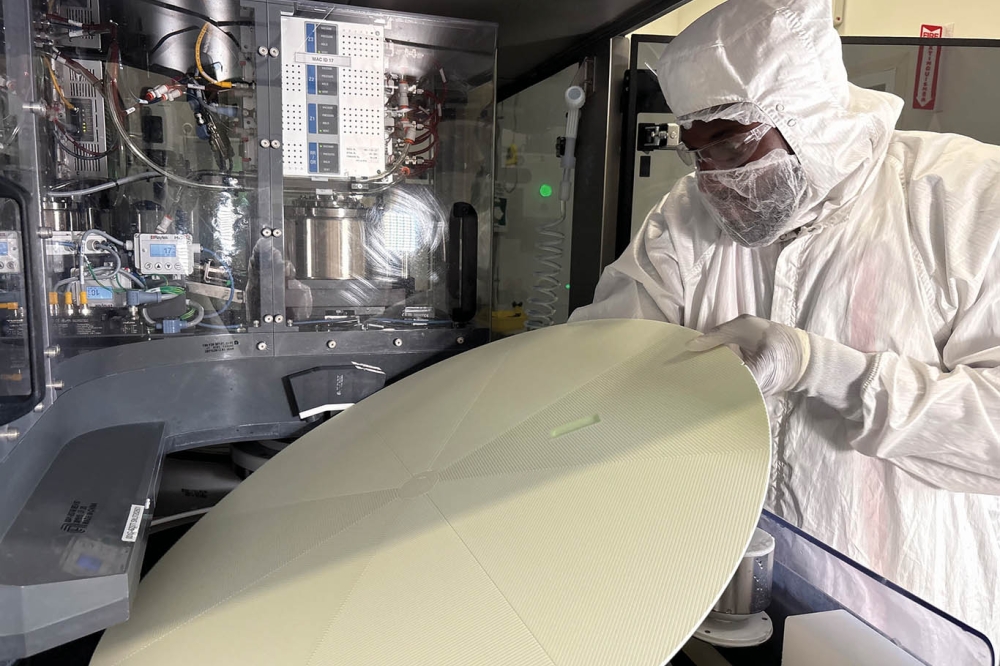
Growing investment in AI data centres is driving demand for high-performance semiconductor packaging substrates, prompting South Korean manufacturers to expand production of flip-chip ball grid array (FC-BGA) substrates.
Samsung Electro-Mechanics and LG Innotek are increasing capacity as demand rises for substrates used in AI accelerators and server processors.
FC-BGA technology enables semiconductor dies to connect directly to substrates through microbumps, supporting high-speed signal transmission, power delivery and thermal performance.
Samsung Electro-Mechanics reported strong growth in its packaging solutions business during the first half of 2026, while its semiconductor substrate production line operated at around 89% utilisation. LG Innotek's semiconductor substrate line reached approximately 94% utilisation during the same period.
The companies are targeting higher-value FC-BGA applications as AI workloads increase the complexity and performance requirements of data centre processors. The market is also facing capacity constraints, with manufacturers reporting strong demand from server and data centre customers.
Samsung Electro-Mechanics is planning significant investment in domestic and overseas facilities to increase FC-BGA production. This includes new AI server substrate lines in Sejong, a packaging substrate production and research hub in Busan, and expanded AI FC-BGA capacity at its Vietnam operation.
LG Innotek is also expanding semiconductor substrate production at its Gumi facility and in Vietnam, targeting growth in AI-related applications.
The South Korean companies are competing with established FC-BGA suppliers including Ibiden, Shinko Electric Industries and Unimicron as semiconductor manufacturers seek additional substrate capacity for AI and high-performance computing applications.
The expansion highlights the growing importance of advanced substrates in AI packaging, where increasing processor complexity and integration with high-bandwidth memory are placing greater demands on electrical performance, power delivery, thermal management and manufacturing capacity.