A new policy commentary argues that Taiwan should move beyond the concept of a “silicon shield” and instead develop a more resilient “silicon network” to secure its position in the global semiconductor and artificial intelligence supply chain amid escalating US–China competition.
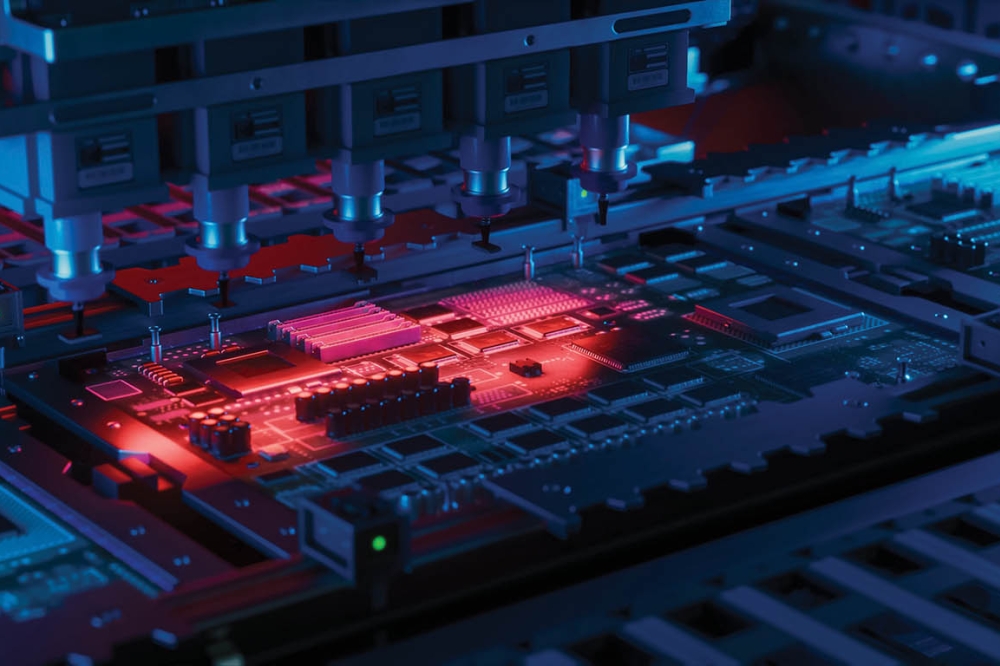
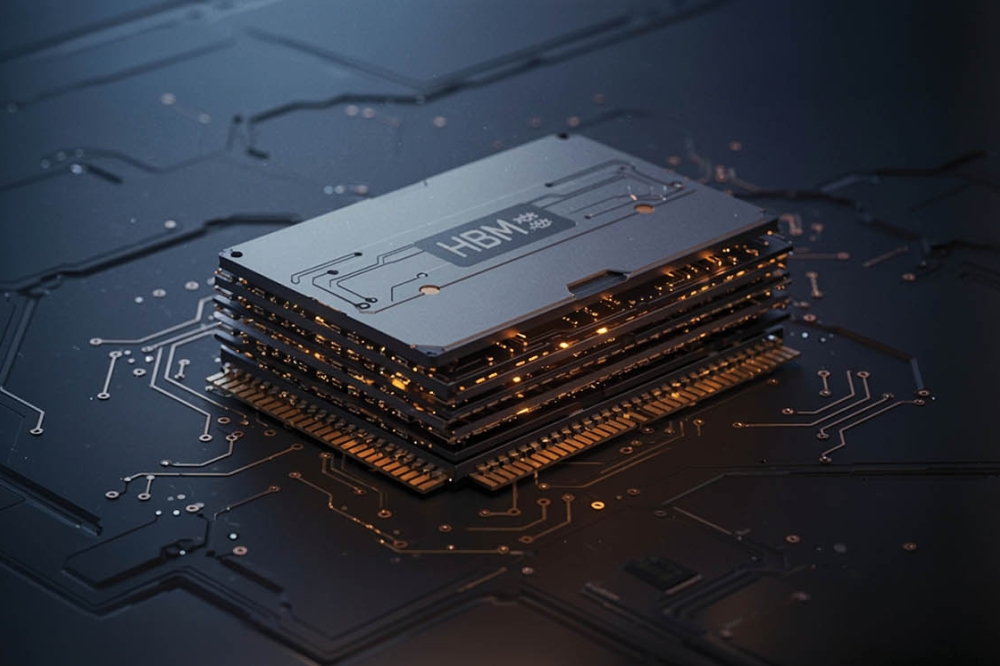
The piece highlights that the battle for AI dominance is increasingly defined by control over semiconductor manufacturing, advanced packaging, high-bandwidth memory and equipment supply chains, rather than just software models or data centre capacity.
It warns that geopolitical tensions are now deeply intertwined with chip production, citing export controls, military posturing and energy security risks as factors affecting global semiconductor stability.
In this context, Taiwan’s role as a critical hub for advanced manufacturing is described as both strategically vital and increasingly exposed.
The commentary argues that Taiwan should expand its focus on advanced semiconductor manufacturing and packaging technologies while retaining core research, development and supply chain management capabilities domestically.
It also suggests selective overseas production expansion to diversify risk without diluting strategic capacity.
It further calls for stronger US–Taiwan cooperation based on reciprocal commitments, including security assurances and clearer trade frameworks, while emphasising Taiwan’s leverage as an indispensable node in global AI chip production.
In addition, the article proposes the formation of an AI semiconductor alliance linking Taiwan, the United States, Japan, South Korea and Europe, combining strengths across design, materials, memory, lithography and manufacturing.
The commentary concludes that Taiwan should position itself not only as a manufacturing centre but as a coordinated strategic hub within a broader democratic semiconductor network, using institutional alliances to strengthen resilience in the face of geopolitical uncertainty.